How Dental Crowns in Oxnard CA Blend With Natural Teeth
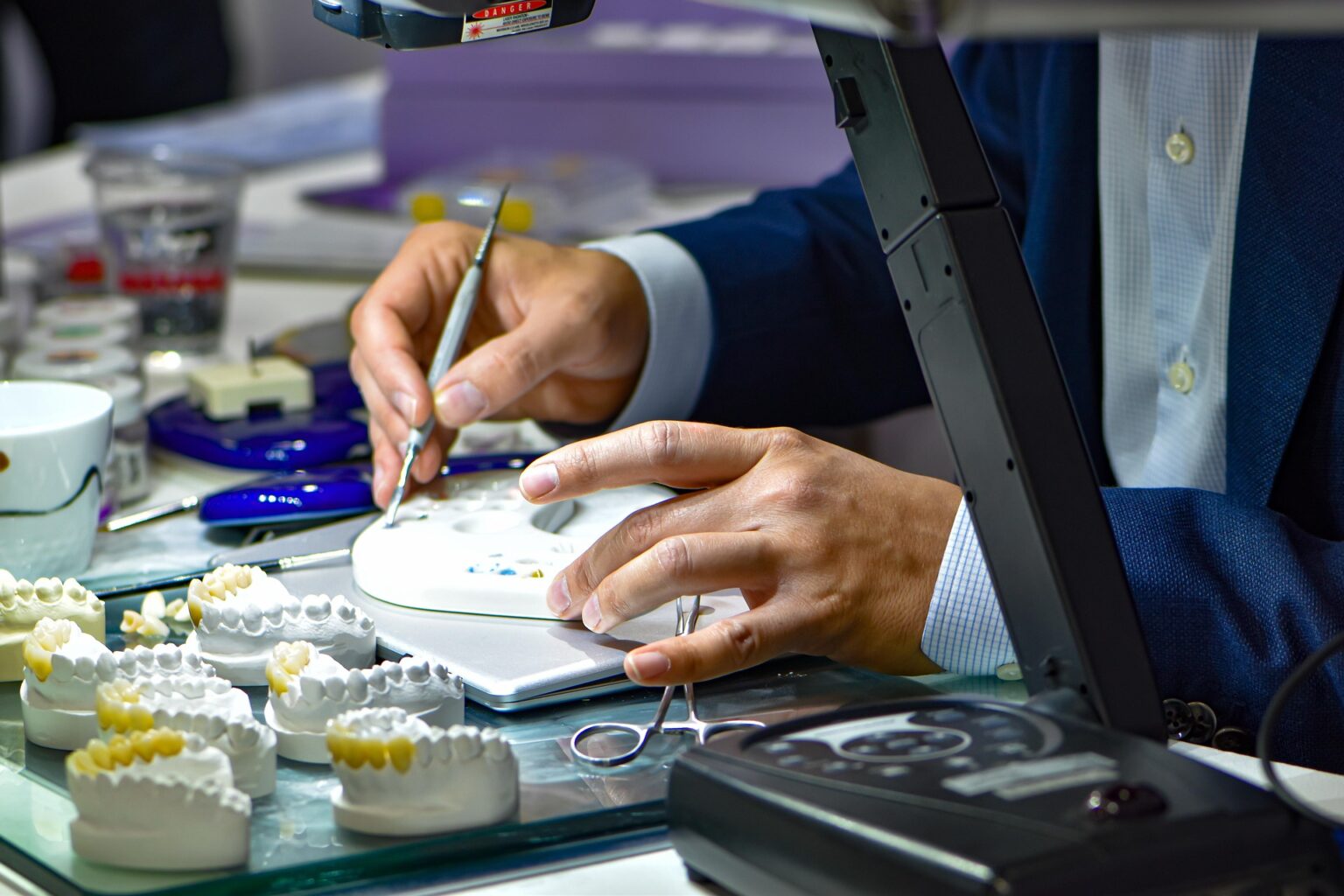
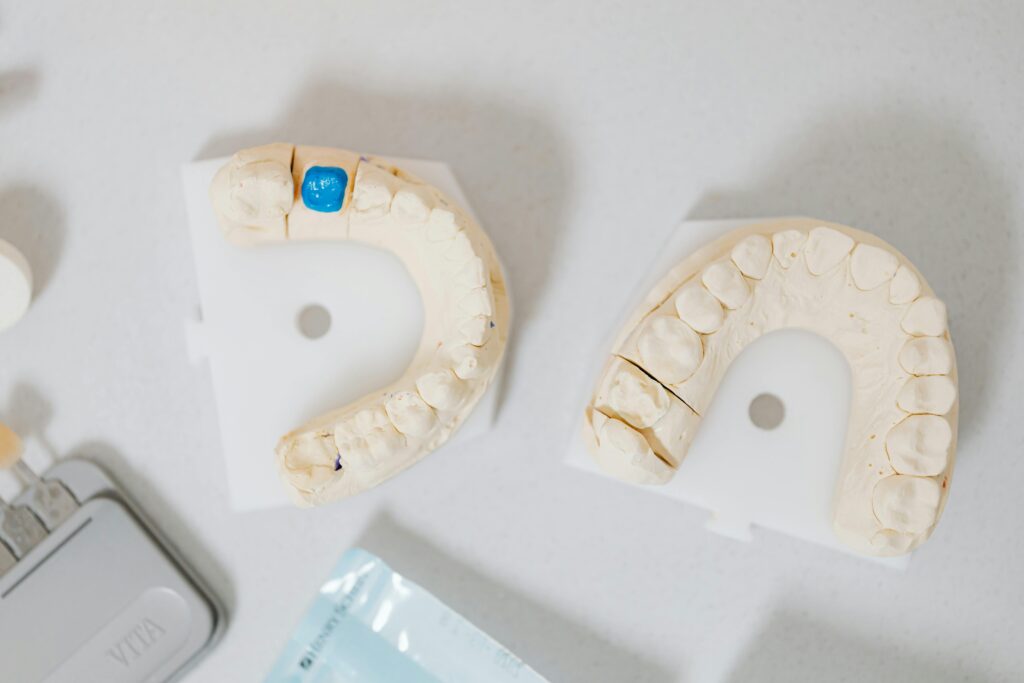
A well-made dental crown should not announce itself when you smile. That is the standard most patients care about, even more than the technical details. They want to laugh in good light, speak without feeling self-conscious, and bite into lunch without wondering whether one tooth looks slightly off. When a crown blends naturally, people notice the smile, not the dentistry.
That result is never accidental. A crown that disappears into the smile depends on a series of careful decisions, starting with the condition of the tooth and ending with the final polish. Shade matters, of course, but shade alone is not what makes a restoration believable. Natural teeth have tiny variations in translucency, surface texture, brightness, and contour. A crown that matches only the color chip but ignores those features can still look flat or obvious.
For patients considering Dental Crowns Oxnard CA, it helps to know what actually makes one crown look seamless while another draws attention. Much of the answer comes down to material selection, preparation design, communication with the dental lab, and a realistic understanding of what can and cannot be controlled inside an individual mouth.
What a crown is really replacing
A dental crown is a full-coverage restoration that fits over a damaged, weakened, or heavily restored tooth. Dentists recommend crowns for several reasons. A tooth may have a large fracture, a deep cavity, an old filling that has failed, or a root canal that left the tooth more brittle than before. In other cases, a crown is used for cosmetic improvement, especially when shape, color, and structure all need correction at once.
From the patient’s point of view, the crown is the visible part. From the dentist’s point of view, it is both visible and functional. It has to look like a natural tooth, but it also has to handle chewing forces, protect what remains of the original tooth, and fit in a way that supports gum health. If the fit is excellent but the appearance is poor, the crown feels like a compromise. If the appearance is beautiful but the bite is wrong, it will not stay beautiful for long.
That balance is particularly important in visible areas of the smile. Front teeth demand a higher level of artistry because the eye reads every small detail. Back teeth can hide a few imperfections more easily, but even there, patients often notice if a crown looks too opaque, too square, or too bright compared with neighboring teeth.
Why some crowns blend effortlessly and others do not
The biggest misconception about crowns is that there is one universal “tooth color” the dentist can simply order. Real enamel does not behave that way. It reflects and transmits light differently from person to person, and even within the same tooth. The edge of a front tooth often looks more translucent than the center. The tooth near the gumline may appear slightly warmer or darker than the biting edge. Younger enamel usually looks brighter and more translucent. Older teeth often show wear, fine craze lines, and a softer luster.
A crown that blends naturally has to mimic those optical qualities, not just the basic shade family. This is where the craft matters. A natural-looking crown often includes subtle internal character rather than one uniform block of color. If it is too monochromatic, it can read as artificial even when the color is close.
Contour is equally important. Human eyes are surprisingly good at spotting shape mismatch. A crown can have a nearly perfect shade and still look wrong if it is too bulky, too narrow, too long, or too smooth. Many patients describe this vaguely by saying, “It just doesn’t look like my tooth.” Usually they are reacting to shape, surface texture, or how the crown catches light.
Then there is the gumline. A crown that emerges naturally from the gums tends to disappear visually. A crown with a poor emergence profile, meaning the way it comes out of the gum looks abrupt or overbuilt, can seem fake even if the ceramic work is attractive on its own.
The role of modern materials
The material chosen for the crown has a direct effect on how natural it looks. In practice, dentists often consider porcelain-based ceramics, layered ceramic restorations, zirconia, and porcelain fused to metal in some situations. Each has strengths and limits.
All-ceramic and porcelain crowns are often favored in the front of the mouth because they can reproduce enamel-like translucency more convincingly. Skilled ceramists can layer internal effects that mimic the depth of a natural tooth. When done well, these restorations photograph beautifully and look especially convincing in daylight.
Zirconia has become increasingly common because it is strong and versatile. Earlier generations of zirconia sometimes looked more opaque, which made them useful for strength but less ideal for the most demanding cosmetic cases. Newer formulations can be far more lifelike, though the best cosmetic result still depends on case selection and lab artistry. For a patient who clenches heavily or needs a crown farther back in the mouth, zirconia may offer a practical balance of durability and appearance.
Porcelain fused to metal crowns still have legitimate uses, but aesthetically they can be more challenging in highly visible areas. Depending on the design and the thickness of material available, they may not transmit light as naturally as all-ceramic options. In some cases, especially near the gumline, the metal substructure can limit the softness and depth that make natural teeth look alive.
Dentists in Oxnard often weigh appearance against function because local patients span every age and need level, from a single front tooth repair after trauma to full-mouth restorative work. The best material is not always the strongest on paper or the prettiest in isolation. It is the one that suits the tooth, the bite, the smile line, and the patient’s habits.
Shade matching is more nuanced than patients expect
When patients hear “shade match,” many imagine the dentist simply holding a color tab next to the tooth for a few seconds. That does happen, but the process can be much more detailed when aesthetics matter. Lighting conditions, surrounding lip color, dehydration of the tooth, and even what the patient has been drinking can influence perception.
A tooth that dries out during a long appointment can look temporarily lighter. Bright operatory lights can distort how color is seen. Teeth next to old restorations may not be ideal references because they have their own discoloration or opacity. Whitening also complicates timing. If a patient plans to bleach their teeth, the shade should usually be finalized after whitening has stabilized rather than before.
Experienced clinicians often think beyond a single shade label. They assess value, which is the lightness or darkness of the tooth, chroma, which is the intensity of the color, and translucency, which affects how light moves through the restoration. In cosmetic cases, photographs and lab communication become as important as the chairside shade guide.
Some practices also use digital scanners and shade-mapping systems to improve consistency. Technology helps, but it does not replace judgment. A scanner can capture data well, yet a crown still depends on human interpretation of what will look natural in the patient’s face, skin tone, and smile.
Why the dental lab matters so much
Patients rarely meet the ceramist who builds their crown, but that person has enormous influence over the final result. A highly skilled lab technician can recreate the subtle anatomy of a tooth in a way that makes the restoration disappear. A rushed or generic fabrication process often produces crowns that are passable functionally but visibly less natural.
This is one of those behind-the-scenes factors people do not see until they compare results. When a dentist has a strong relationship with a trusted lab, communication improves. The lab receives not just an impression or scan, but also notes about the patient’s natural dentition, photographs of adjacent teeth, bite details, and any specific cosmetic goals. If a patient says, “I don’t want this crown to look too bright,” that matters. If they say, “My other front tooth has a little translucency at the edge,” that matters too.
There are situations where custom staining and layering make all the difference. A single front crown next to untouched natural teeth is often one of the hardest restorations in dentistry to make invisible. It is much easier to match multiple crowns to each other than to match one crown to nature. That is why dentists sometimes discuss the possibility of minor refinement, remakes, or try-ins when perfection is the goal.
Preparation design affects aesthetics more than most people realize
Before the crown is made, the tooth itself must be shaped to create room for the restoration. This preparation is not just about making the crown fit. It also affects whether the final crown can have the thickness and contours needed to look natural.
If too little tooth structure is reduced, the ceramist may not have enough space to build the lifelike layers that create depth and translucency. If too much is removed, the tooth can become more vulnerable and may require additional support. The goal is controlled reduction, enough for the material to perform well without sacrificing more tooth than necessary.
The margin, or edge where the crown meets the tooth, also matters. A clean, precise margin helps the lab create a crown that fits tightly and meets the gumline smoothly. When margins are rough, inaccessible, or poorly placed, the final crown can end up looking bulky or irritating the gum tissue. Inflamed gums then make even a nicely made crown look worse.
Temporary crowns play a role here too. In cosmetic areas, a good temporary can help shape the gums and preview the intended contours. It can also reveal whether the length or shape feels natural to the patient before the final version is cemented.
The gumline is part of the aesthetic result
People often focus only on the ceramic portion of the crown, but the surrounding gum tissue frames the entire restoration. Healthy, symmetrical gums make crowns look more natural. Puffy, receding, or uneven gums can make a well-made crown look disappointing.
This becomes especially relevant when a tooth has broken near the gumline, has long-standing decay, or has suffered trauma. In those situations, the dentist may need to manage the gum contour before or during the crown process. Sometimes that means periodontal treatment, better home care, or simply allowing irritated tissue to calm down before final impressions are taken.
A crown placed on a tooth with chronically inflamed gums is at a disadvantage from day one. The margins are harder to capture accurately, the final appearance is less predictable, and the patient may blame the crown for a tissue issue that was already present. The most natural cosmetic cases often start with healthy gums, stable bite forces, and realistic timing.
Front teeth are different from back teeth
Not every crown has to meet the same visual standard. A molar crown hidden in the back of the mouth still benefits from a natural color and contour, but it usually prioritizes strength and chewing function. A central incisor in the front, by contrast, is on display constantly. Speech, smile symmetry, reflected light, and even facial expression influence how that tooth is perceived.
For front teeth, dentists usually pay close attention to several factors at once:
- overall shade and brightness compared with neighboring teeth
- incisal translucency and edge shape
- surface texture that catches light like natural enamel
- symmetry with the matching tooth on the other side, if present
- the way the crown supports the lip and follows the smile line
Those details explain why front crowns can take more discussion, more photographs, and occasionally more than one round of refinement. Patients are not being picky when they notice small differences. The eye naturally goes to the center of the smile.
Local factors in Oxnard that can affect crown longevity and appearance
In coastal communities like Oxnard, patients bring a mix of lifestyle habits that influence how crowns wear and how natural they continue to look over time. Coffee, red wine, tea, and tobacco can stain surrounding teeth, which changes the contrast between natural enamel and an older crown. A crown does not bleach the way real teeth do, so a smile can drift out of harmony after whitening or years of staining.
Sports and outdoor activity matter too. Patients who surf, cycle, or play contact sports may have a history of trauma or edge wear. Night grinding is another major factor, and many people do not realize they clench until crowns start chipping or natural enamel begins flattening. In those cases, a night guard may be less about protecting the crown alone and more about protecting the entire bite.
Salt air does not change ceramic color, but dry mouth, diet patterns, and oral hygiene absolutely affect the tissues around the crown. The restoration itself may remain intact while the gumline becomes the weak point. That is why maintenance appointments are not just a formality after crown placement.
What patients can do to help the crown blend better
A surprisingly large part of crown success comes from timing and communication. Patients who share their goals early usually get better aesthetic outcomes. If the concern is “I only care Dental Crowns Oxnard CA that it feels strong,” the plan may differ from a patient who says, “This tooth shows when I talk, and I need it to disappear.”
A few practical steps improve the odds:
- discuss whitening before shade selection, not after
- bring up habits like clenching, nail biting, or chewing ice
- mention if one tooth has always looked slightly different from the others
- review the temporary crown shape if something feels bulky or short
- return promptly if the bite feels high or the gums stay irritated
Those are simple points, but Dental Crowns Oxnard CA they prevent many of the problems that cause crowns to stand out. A crown that is technically sound but slightly high in the bite can lead to discomfort, wear, or even a sense that the tooth feels “foreign.” Small early adjustments often make a big difference.
When a crown may never be perfectly invisible
Good dentistry aims high, but there are honest limits. Some teeth are difficult to match because the surrounding natural teeth already have complex color variation, old restorations, cracks, or wear patterns that are hard to duplicate exactly. A tooth that has had a root canal may be darker underneath, which can affect the final optical result. Gum recession may expose root surfaces on adjacent teeth that do not look like enamel at all, making harmony more challenging.
There are also cases where one perfect crown would actually look wrong because the neighboring teeth are imperfect in a human way. A crown that is too flawless can stand out against natural teeth that have slight asymmetry or gentle wear. Experienced cosmetic dentists sometimes intentionally soften perfection to achieve realism. That is a subtle judgment call, and it often separates a believable result from one that looks manufactured.
This is why honest expectations matter. “Natural” does not always mean identical to untouched enamel under every lighting condition from every angle. It means the crown belongs in the smile, does not draw the eye, and functions comfortably in everyday life.
The difference between a decent crown and an excellent one
Many crowns are serviceable. Fewer are exceptional. The difference is usually found in details patients may not know to ask about, but certainly notice once the work is done. A decent crown restores structure and lets a patient chew again. An excellent crown does that while also respecting facial aesthetics, gum architecture, phonetics, and long-term maintenance.
In real practice, excellent results come from a combination of technical discipline and careful listening. The dentist needs enough time to evaluate the bite, enough humility to remake something if it is not right, and enough communication with the lab to avoid generic outcomes. The patient needs to show up for follow-up, wear a night guard if prescribed, and understand that cosmetic dentistry is often collaborative rather than one-and-done.
For anyone researching Dental Crowns Oxnard CA, that is the most useful takeaway. The natural look of a crown is not a mystery and not a matter of luck. It comes from material choice, exact preparation, thoughtful shade analysis, healthy surrounding gums, and a team that values detail. When those pieces line up, the crown does what the best dentistry always does, it solves the problem without calling attention to itself.
A crown should feel like part of your mouth and look like part of your smile. That is the goal worth aiming for, and with the right planning, it is often achievable.
Omni Dental Specialty
1690 E Gonzales Rd
Oxnard, CA 93036, United States
Phone: +1 805-410-9603
FAQ About Dental Crowns Oxnard CA
What is the average cost of a crown in California?
The fee depends on the crown material, tooth condition and any additional treatment. Request an itemized estimate from Omni Dental Specialty after an examination, and confirm insurance benefits before scheduling.
How long do dental crowns last?
Longevity varies with the material, fit, oral hygiene and biting habits. Regular dental reviews help identify wear, damage or decay. A crown does not need replacement solely because it reaches a particular age.
Do teeth go bad under crowns?
Decay can develop in the remaining natural tooth, particularly near the crown margin. Brush with fluoride toothpaste, clean between teeth daily and keep dental appointments. Report new pain or looseness promptly.
Which crown is best for bruxism?
No material suits everyone. Your dentist assesses grinding, tooth position, bite forces and appearance before recommending a crown. A protective appliance may also be recommended to manage stress on the restoration.