How Dental Crowns in Oxnard CA Can Improve Tooth Function

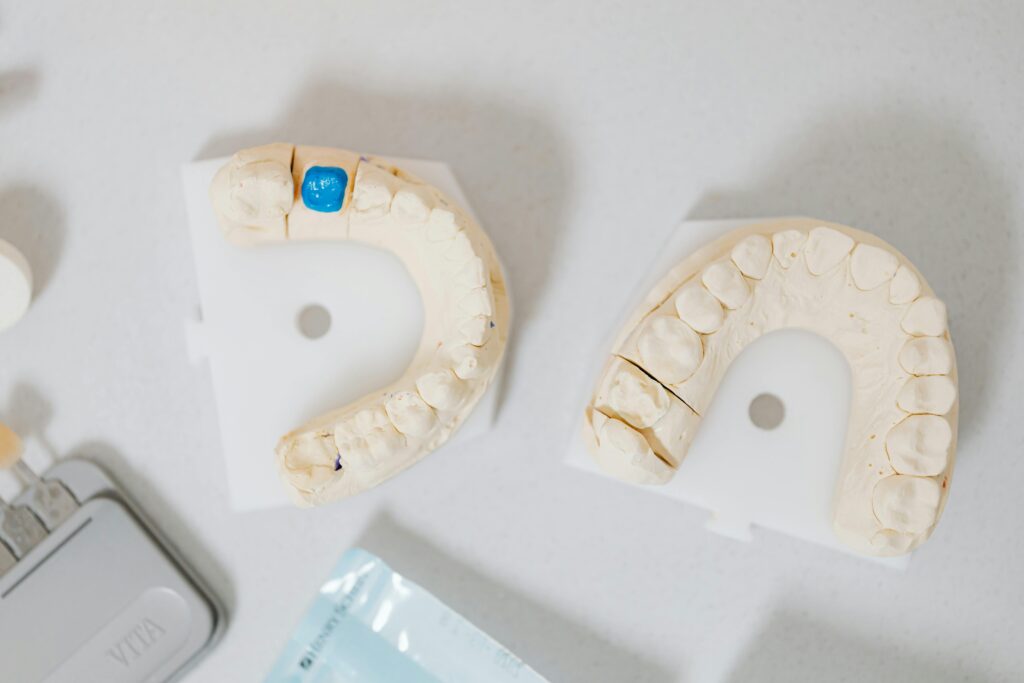
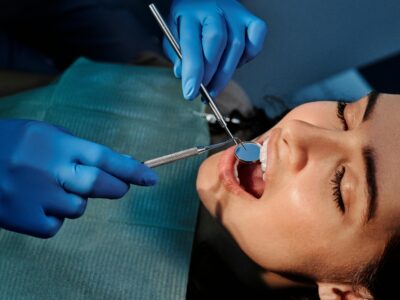
A dental crown is often described as a cap, but that shorthand misses why it matters. In practice, a well-made crown is less about covering a tooth and more about restoring what that tooth is supposed to do every day. Chew without pain. Hold a bite in balance. Protect a weakened structure from cracking further. Let a person speak and smile without thinking about the tooth every few minutes.
That functional side of treatment is what many patients in Oxnard tend to care about most once they move past the initial question of appearance. A front tooth that looks better is welcome. A back tooth that can finally handle normal chewing again is life-changing in a quieter, more practical way.
When people search for Dental Crowns Oxnard CA, they are usually dealing with a real problem, not a cosmetic whim. It may be a molar with a large old filling that has started to fracture. It may be a tooth after root canal treatment that feels brittle. It may be a tooth worn down from grinding, now too short to bite efficiently. In each of those cases, the crown’s main value is functional restoration.
What a crown actually does for a tooth
A healthy natural tooth has an outer shell of enamel that carries biting forces well. Once decay, fracture, heavy wear, or a large filling removes too much of that shell, the tooth stops behaving like a complete unit. Instead of distributing pressure evenly, it flexes. Cusps can split. Food packs into weak spots. Temperature sensitivity can linger. A person may start chewing on one side without even noticing it.
A crown rebuilds that missing shell. It surrounds the tooth structure above the gumline and gives the tooth a new external form. That form is not arbitrary. It is designed to match the height, contours, contact points, and chewing surface needed for the tooth’s job in the bite.
That matters because function in dentistry is not just about whether the tooth is still in the mouth. It is about whether it can work with the opposing tooth, the neighboring teeth, the jaw muscles, and the joint. A crown that simply fills space is not enough. A crown that restores the tooth’s role in the system is what helps patients return to comfortable, efficient chewing.
When function starts to break down
Many people do not realize how much function has slipped until it is restored. They adjust gradually. They chew on the left instead of the right. They avoid almonds, crusty bread, steak, or cold drinks. They stop fully closing on one side because a cracked tooth sends a quick jolt of pain. These adaptations can become routine.
A patient might come in saying, “It only hurts once in a while,” but the story often reveals more. Meals take longer. The jaw feels tired at night. There is a habit of swallowing food less chewed than before. Sometimes the tooth is not painful at all, but the crown is still recommended because the remaining structure is too compromised to hold up under normal force.
Back teeth take the highest load. Molars can experience substantial pressure during chewing, and if a tooth has already lost much of its original strength, another large filling is often the wrong answer. Fillings are excellent in the right situation, but there is a limit. Once too much of the tooth is gone, the risk shifts from cavity repair to structural failure.
How crowns improve chewing efficiency
The most immediate functional benefit of a crown is usually chewing comfort. A cracked or heavily restored tooth often hurts because separate parts of the tooth flex under pressure. A crown braces those parts together, reducing movement. This can make biting feel stable again.
Chewing efficiency depends on more than pain relief, though. It also depends on anatomy. A crown gives the dentist and lab, or the in-office milling system, the chance to recreate proper cusp shape and groove form. On a molar, those details help guide food during chewing rather than smashing it aimlessly. On a premolar, they help with tearing and grinding in a balanced way.
When the chewing surface is rebuilt properly, patients often notice that they can use the tooth confidently again. This seems simple, but it affects daily life more than people expect. Someone who has favored one side for months may slowly return to bilateral chewing, which can reduce strain on the opposite side. It can also make eating feel less tiring.
There is another practical point here. A tooth that is functionally weak can lead to changes in diet. Softer foods become the default. Harder, more fibrous foods get avoided. Restoring function does not guarantee a dramatic nutritional transformation, but it removes one common barrier to normal eating.
Protection after root canal treatment
One of the clearest cases for improved function is a tooth that has had root canal therapy, especially a back tooth. After a root canal, the tooth no longer has living pulp tissue inside, and in many cases it has already lost a significant amount of structure to decay, breakdown, or the access opening needed for treatment. The tooth can remain useful for many years, but it is more vulnerable to fracture if left underprotected.
This is where a crown often becomes less of an optional upgrade and more of a structural necessity. The goal is not just to seal the tooth, although sealing matters. The larger goal is to reduce the chance that chewing forces will split the remaining walls. If that happens below the gumline, the tooth may become unrestorable.
Patients sometimes ask why a simple filling cannot finish the job after the root canal. Sometimes it can, especially for certain front teeth with minimal structural loss. But for molars and many premolars, the forces are too high and the remaining walls too thin. A crown redistributes those forces and lets the tooth get back to doing what it is there to do.
Restoring teeth with large fillings
Dentists see a common pattern over time. A small filling becomes a medium filling. Years later, a replacement filling becomes a large filling. Eventually the tooth is more restoration than Dental Crowns Oxnard CA Omni Dental Specialty enamel. At that stage, function becomes fragile.
Large fillings can leave cusps unsupported. Imagine a roof supported by posts that have been cut thinner over the years. It may stand for a while, but repeated load changes the odds. The tooth may not fail dramatically at first. Instead, it may develop hairline cracks, food traps, sensitivity, or pieces that chip off one at a time.
A crown can change that trajectory. By covering the weakened tooth and recreating its full contour, it reduces the concentration of force on vulnerable edges. This is one of the most common ways crowns improve tooth function in adult patients. The tooth goes from being a patchwork Dental Crowns Oxnard CA compromise to a unified chewing surface again.
Why bite balance matters more than most patients realize
A crown that is too high can make a tooth feel like a pebble in the bite. A crown that is too flat may stop hurting but still fail to chew well. Functional success depends heavily on occlusion, the way the upper and lower teeth meet.
This is where clinical judgment matters. The dentist is not only checking whether the crown fits the prepared tooth. They are also checking whether it fits the person’s bite pattern. Someone who clenches heavily has different functional demands than someone with a lighter bite. Someone with worn teeth may need careful adjustments so the crown does not take more force than the neighboring teeth can handle.
In the best cases, patients stop noticing the tooth because it integrates naturally. They can bite down fully. They do not tap around trying to avoid one high spot. The surrounding muscles settle. That is a sign that the crown is not just present, it is functioning.
Crowns can help preserve alignment and contacts
Teeth do not exist independently. Each tooth helps maintain spacing and alignment by contacting its neighbors. When a tooth breaks down badly, the contact point can be lost or distorted. Food may wedge between teeth. The gum can become irritated. Adjacent teeth may start to shift slightly over time.
A properly contoured crown re-establishes those contact points. This may sound minor, but it is an important part of function. Tight enough contact helps keep food from packing into the space, while correct contour helps the gum tissue stay healthier. Together, those features support the stability of the tooth and the comfort of chewing.
This is one area where a technically acceptable crown and an excellent crown are not the same thing. The margins may be sealed on both, but the finer details of contour, emergence profile, and contact strength often determine whether the tooth feels truly normal in daily use.
Materials matter, but fit matters more
Patients often ask whether porcelain, zirconia, or metal is best. The truthful answer is that material selection matters, but it is only part of the equation. The right choice depends on the tooth’s location, the patient’s bite, appearance goals, grinding habits, and available space.
For back teeth, zirconia has become common because it combines strength with a tooth-colored appearance. Porcelain-fused-to-metal crowns are still used in some cases and have a long track record. Full metal crowns, while less popular for obvious aesthetic reasons, can still be excellent functional restorations in selected areas because they require less tooth reduction and wear well.
What patients often do not hear enough is that precision of fit, preparation design, and bite adjustment can influence function as much as, or more than, brand-name material decisions. A beautifully advertised crown material cannot rescue a poor bite relationship or an inadequate seal.
Situations where a crown may not be the right answer
Not every damaged tooth needs a crown, and not every tooth can be saved with one. Conservative treatment is usually preferable when enough healthy structure remains. A small or moderate cavity may do very well with a bonded filling. Some teeth are better served by an onlay, which covers part of the tooth while preserving more natural structure than a full crown.
There are also cases where a crown would not solve the core problem. If the crack extends too far below the gumline, the tooth may have a poor prognosis. If severe gum disease has left the tooth too loose, building a crown on top of an unstable foundation may not be wise. If the bite collapse is part of a broader wear pattern across many teeth, a single crown may help one tooth while leaving the larger functional issue unresolved.
This is where a careful exam earns its keep. Good dentistry is not about placing crowns whenever a tooth looks damaged. It is about deciding when a crown will meaningfully improve function, longevity, and comfort.
What the process usually looks like
The crown process can vary depending on whether the office uses a same-day system or sends the case to a dental lab, but the functional goals remain the same. The tooth is shaped so the final crown can fit securely and have enough thickness for strength. The dentist records the bite and surrounding anatomy, then a temporary crown is often placed if the permanent crown is not delivered the same day.
Patients frequently underestimate how informative the temporary period can be. If the temporary feels consistently high, bulky, or food keeps trapping around it, those details can help guide refinements before the final placement. Once the final crown is cemented or bonded, the bite is checked carefully. Sometimes even a very small adjustment makes the difference between a crown that feels noticeable and one that disappears into normal function.
A few points help patients protect that result:
- Avoid chewing ice, pens, or other non-food items on crowned teeth.
- Use a night guard if clenching or grinding is part of the picture.
- Floss normally unless the dentist gives a different instruction for a specific reason.
- Report persistent sensitivity or a bite that still feels off after several days.
- Keep up with routine exams so small issues are found early.
These are simple habits, but they can greatly influence how well the crown performs over time.
What patients in Oxnard often want to know about timing and longevity
In a coastal community like Oxnard, where people balance work, family schedules, and commuting, practicality matters. One of the first questions is often how long a crown lasts. There is no honest universal number. Some crowns do well for well over a decade, and some last much longer. Others need replacement sooner because of decay at the margin, fracture, cement failure, heavy grinding, or changes in the supporting tooth.
Longevity depends on several variables acting together. The crown material matters. The amount of tooth left underneath matters. Oral hygiene matters. Bite force matters. So does how accurately the crown was designed and seated. A patient who clenches at night and misses recall visits presents a different long-term picture than a patient with a stable bite and meticulous home care.
Timing matters too. Waiting too long on a tooth that clearly needs a crown can close off better options. A tooth that might have been restored predictably can fracture deeper and end up needing root canal treatment, crown lengthening, or extraction. From a functional standpoint, earlier intervention often preserves more choices.
The difference between feeling fixed and being fixed
One challenge in restorative dentistry is that symptoms and structural risk do not always line up. A tooth may feel mostly fine but still be one hard bite away from a cusp fracture. Another tooth may feel very sensitive, yet the underlying issue is modest and manageable conservatively.
That is why the discussion around Dental Crowns Oxnard CA should not revolve only around pain. Function is broader than pain. A tooth may need a crown because it has lost the architecture required to work predictably, even if it is not currently screaming for attention.
Likewise, relief right after treatment is not the only marker of success. The real test is whether the tooth holds up in ordinary life. Can the patient chew without guarding? Is food no longer trapping? Has the bite settled comfortably? Is the gum tissue around the crown staying healthy? Those are the signs that function has truly improved.
Crowns on front teeth, function is not just about looks
Back teeth get most of the attention when talking about function, but front teeth matter too. They help cut food, support certain speech sounds, and guide jaw movement during opening and closing. A front tooth that is badly broken or worn can affect more than appearance.
A crown on an anterior tooth may restore edge length, improve incising ability, and support clearer pronunciation of sounds that depend on contact between the tongue, lips, and teeth. It can also help distribute forces more appropriately if the tooth had become structurally compromised.
That said, front teeth raise special concerns about shade, translucency, and gumline appearance. The functional and cosmetic goals are tightly linked. A crown that works well but looks opaque or bulky may still leave a patient unhappy, which is why material selection and laboratory communication matter even more in the smile zone.
How to tell if a crown recommendation is reasonable
Patients are right to ask questions before committing to treatment. A good recommendation should be explainable in plain language. If a dentist recommends a crown, the reasons should connect to visible findings, symptoms, x-rays when appropriate, and the amount of remaining tooth structure.
Useful questions often include whether a filling or onlay could work instead, how much healthy tooth remains, whether there are signs of cracking, and what the risks are if treatment is delayed. None of those questions are confrontational. They are part of informed care.
Often, the answer comes down to structural math. If too much of the tooth is missing or weakened, a direct filling may preserve money in the short term but increase the risk of a more expensive failure later. Patients deserve that trade-off stated clearly.
Why function-first dentistry tends to age better
Cosmetic trends come and go. Function tends to be durable. A crown chosen and designed with chewing, bite harmony, and long-term tooth preservation in mind usually serves patients better than one selected mainly to create a quick visual upgrade.
That principle matters because the mouth is a high-demand environment. Teeth face repeated force, moisture, temperature changes, bacteria, and years of wear. Restorations that respect those realities tend to perform better. In practical terms, that means careful diagnosis, sound material choices, accurate fit, and a bite that has been adjusted with patience rather than rushed.
For many patients, the best crown is the one they stop thinking about. Meals feel normal. The tooth no longer dictates where they chew. The jaw feels less tense. They can focus on life rather than one compromised tooth.
That is the real value of dental crowns. They do not merely cover damage. When planned and executed well, they restore a tooth to useful service, protect it from further breakdown, and help the whole bite work the way it should. For people considering Dental Crowns Oxnard CA, that functional improvement is often the reason treatment feels worthwhile long after the appointment is over.
Omni Dental Specialty
1690 E Gonzales Rd
Oxnard, CA 93036, United States
Phone: +1 805-410-9603
FAQ About Dental Crowns Oxnard CA
What is the average cost of a crown in California?
The fee depends on the crown material, tooth condition and any additional treatment. Request an itemized estimate from Omni Dental Specialty after an examination, and confirm insurance benefits before scheduling.
How long do dental crowns last?
Longevity varies with the material, fit, oral hygiene and biting habits. Regular dental reviews help identify wear, damage or decay. A crown does not need replacement solely because it reaches a particular age.
Do teeth go bad under crowns?
Decay can develop in the remaining natural tooth, particularly near the crown margin. Brush with fluoride toothpaste, clean between teeth daily and keep dental appointments. Report new pain or looseness promptly.
Which crown is best for bruxism?
No material suits everyone. Your dentist assesses grinding, tooth position, bite forces and appearance before recommending a crown. A protective appliance may also be recommended to manage stress on the restoration.