How Dental Crowns Restore Your Bite
A strong bite depends on something deceptively simple: each tooth has to hold its shape, meet its partner at the right angle, and tolerate force day after day without flexing, cracking, or shifting. When one tooth loses too much structure, the whole system starts to compensate. People notice it in different ways. Some feel a sharp twinge on one side when chewing crusty bread. Others realize they have started favoring the opposite side without meaning to. Sometimes the first clue is not pain at all, but a rough edge, a flattened chewing surface, or food packing into a place that used to feel smooth.
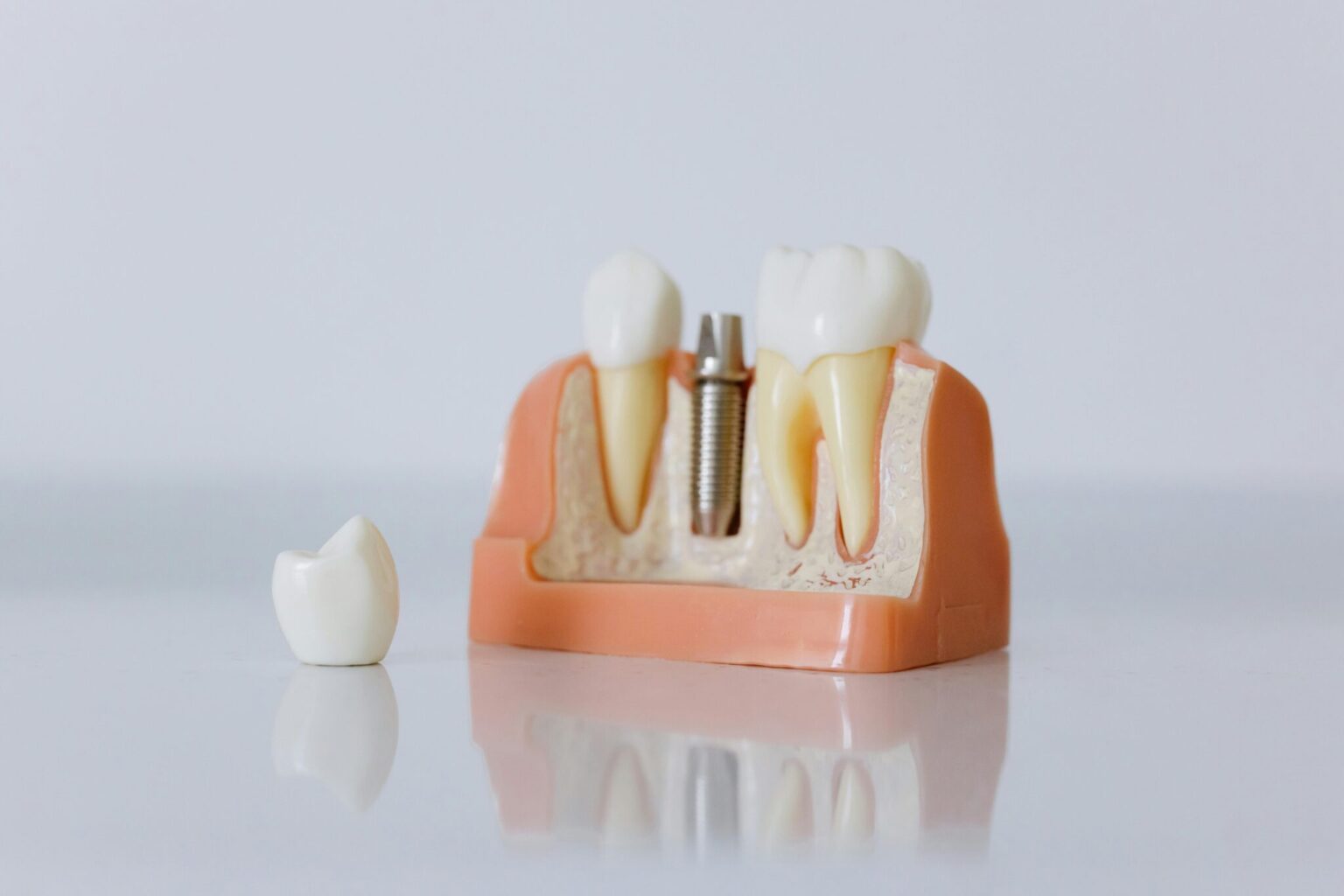
This is where dental crowns earn their place. A crown is not just a cap placed over a damaged tooth for appearances. Done well, it rebuilds form, strength, and function. Dental Crowns It allows a weakened tooth to take part in chewing again without constantly risking another fracture. It can stabilize the way your upper and lower teeth meet. For many patients, it restores confidence in eating as much as it restores the tooth itself.
The phrase "restore your bite" sounds tidy, but the work is precise and highly individualized. A crown has to fit the tooth, the gumline, the neighboring teeth, and the way your jaw moves. It has to be strong enough for your habits and gentle enough on opposing enamel. The material matters. The design matters. The condition of the tooth underneath matters most of all.
When a tooth can no longer do its job
Not every damaged tooth needs a crown. A small cavity may be handled with a filling. A chipped corner may need only bonding. But there is a point where the remaining tooth structure no longer supports everyday use reliably. That threshold varies, and judgment matters.
A tooth that has had a large filling for years often becomes a good example. Fillings replace missing structure, but they do not always reinforce the tooth in the way patients imagine. If a cavity or an old restoration removes too much of the inner support, the cusps of the tooth, those raised points on the chewing surface, can begin to flex under pressure. At first this may produce sensitivity. Later it can create fine cracks. Eventually, one cusp may break off while eating something routine like nuts, toast, or even a salad with crunchy toppings.
Back teeth are especially vulnerable because they carry heavy loads. Molars and premolars do the grinding, and the force on them is substantial. If a root canal has already been done, the tooth may become even more prone to fracture over time because it has usually lost significant internal structure. In those cases, a crown often serves less as a cosmetic option and more as structural insurance.
Front teeth can need crowns too, though the reasons are sometimes different. Trauma, deep wear, old bonding that has failed repeatedly, or severe discoloration combined with structural damage can all justify one. Yet for front teeth, the decision often balances strength with appearance even more carefully, because the crown has to function naturally and blend with a very visible smile.
What a crown actually restores
Patients often think a crown simply covers a tooth. That is true in the most basic sense, but it leaves out the real purpose. A properly made crown restores several things at once.
First, it rebuilds shape. Chewing works because the top surfaces of teeth have contours that guide food and coordinate with the opposing arch. When a tooth is worn flat, broken, or heavily filled, that anatomy disappears. A crown recreates it.
Second, it restores structural integrity. Teeth fail when too little healthy material remains to resist force. A crown wraps and supports what is left, redistributing stress so the tooth is less likely to split further.
Third, it re-establishes contact points. These are the areas where a tooth touches its neighbors. If those contacts are open or misshapen, food gets trapped and gums become irritated. Good crown design protects the gum tissue by returning those contacts to a healthy form.
Fourth, it refines the bite itself. The crown has to meet the opposing teeth in a way that is secure but not overloaded. A crown that is even slightly too high can make a patient feel as though that tooth hits first every time they close. Left unchecked, that can cause tenderness, jaw fatigue, or damage to the crown or tooth.
Restoring a bite, then, is not only about replacing what broke. It is about returning the tooth to the larger mechanical system of the mouth.
Why bite problems rarely stay isolated
One cracked or broken tooth may sound like a small issue, but the mouth is not good at isolating dysfunction. People adapt quickly. They chew on the other side. They avoid tougher foods. They bite differently to dodge a sensitive spot. This compensation can last for months, sometimes years.
The problem is that adaptation creates secondary strain. If one side bears more chewing force, those teeth and muscles work harder. If a patient shifts the jaw slightly to avoid a tender molar, the joints and muscles may begin to complain. I have seen patients come in concerned about generalized jaw soreness when the underlying issue was a single failing restoration on a back tooth that had quietly altered their chewing pattern.
A bite does not have to be dramatically "off" to become tiring. Even subtle imbalance can matter when repeated hundreds or thousands of times a day. That is one reason timely treatment matters. A crown placed before a tooth catastrophically fractures can preserve options and reduce the chain reaction that often follows neglect.
The difference between a crown and a filling
This question comes up often, and it is a fair one because nobody wants more treatment than necessary. A filling repairs a specific area of decay or damage. It is an internal patch bonded into a prepared space. A crown, by contrast, covers the visible portion of the tooth above the gumline and becomes the new outer surface.
The practical distinction is strength and coverage. A filling works well when enough healthy tooth remains to support the surrounding walls. Once those walls are too thin, too undermined, or too cracked, a filling can become a temporary answer to a structural problem. It may look fine on an X-ray and still fail under bite pressure because the tooth itself is no longer stable.
That is why a tooth with a very large filling often behaves unpredictably. Patients sometimes say, "But it was already fixed." It was repaired, yes, but not always fully reinforced. A crown changes that equation by protecting the whole chewing surface and surrounding walls rather than only plugging the omnidentalspecialty.com Dental Crowns missing portion.
Common signs that a crown may be the right choice
The decision always depends on an exam, X-rays, and the condition of the tooth, but certain patterns come up repeatedly in practice.
- A tooth has a large existing filling and a new crack, chip, or recurrent cavity.
- Pain appears when biting down or releasing pressure, especially on a back tooth.
- A root canal treated tooth feels intact but has lost enough structure to be fracture-prone.
- Part of the tooth has broken off, yet the remaining root and surrounding support are still healthy.
- A tooth is so worn or misshapen that it no longer meets the opposing teeth properly.
Those signs do not mean every tooth must receive a crown, but they often point the conversation in that direction.
How materials affect the feel and durability of the result
Not all Dental Crowns are made from the same material, and this is one of the areas where practical trade-offs matter. Patients sometimes assume there is a single "best" crown, but the right choice depends on tooth position, bite force, esthetic goals, and how much room exists between the upper and lower teeth.
Porcelain or ceramic crowns are popular because they can look very natural. On front teeth and many premolars, they often provide the best blend of appearance and function. Modern ceramics can also be strong enough for many molars, especially when designed well and used in the right case. Their success depends heavily on thickness, bonding, and bite management.
Zirconia crowns have become common because they are tough and versatile. In patients who clench, grind, or have fractured other restorations, zirconia can be a sensible choice. It may not always offer the same translucency as the most lifelike ceramics, though newer versions have improved significantly. For a far-back molar where strength is the top priority, zirconia often makes practical sense.
Porcelain-fused-to-metal crowns were once the standard in many offices. They are still useful in selected situations, particularly where long-term durability and certain design features are needed. The drawback is esthetic. Over time, some patients notice a dark line near the gum if the tissue recedes, and they are usually less lifelike than all-ceramic options.
Gold or other high noble metal crowns remain among the most durable restorations ever made. They wear kindly against opposing teeth and can last a very long time. Their obvious limitation is appearance. Most patients today do not want a visible metal crown, but on a hidden molar for a patient who values longevity above cosmetics, it can still be an excellent option.
Choosing among these materials is not an exercise in marketing. It is a question of matching the crown to the forces it will face and the expectations the patient brings to treatment.
The steps behind restoring the bite
A good crown appointment is less dramatic than many people fear, but there is a lot of thinking behind the scenes. The process starts with diagnosis. The dentist must confirm that the tooth can actually be saved and that the symptoms point to a restorable problem. A crown is not the answer for every cracked tooth. If the fracture extends too far below the gumline or into the root, extraction may be the more realistic path.
Once the tooth is judged restorable, it is shaped to create room for the crown material and to establish a clean margin, the edge where the crown meets the tooth. This step is not just reduction for reduction's sake. The preparation has to preserve as much healthy structure as possible while still allowing enough material thickness for strength. Too little reduction can create a bulky crown that feels awkward and traps plaque. Too much reduction sacrifices valuable tooth.
After preparation, impressions or a digital scan are taken. The quality of this record matters enormously. A tiny discrepancy at the margin can affect fit, comfort, and longevity. Temporary crowns are often placed while the final crown is fabricated. Temporaries are not decorative extras. They protect the tooth, hold space, maintain gum contour, and give a preview of how the bite feels.
At the delivery visit, fit is checked carefully. The contacts with neighboring teeth should be snug but not crushingly tight. The margins should be sealed and smooth. The bite must be adjusted so the crown contacts properly in closure and in movement. A crown can look beautiful and still fail functionally if the bite is wrong.
When all of that is done well, the result usually feels surprisingly uneventful to the patient, which is exactly the point. The tooth should begin to disappear back into normal use.
After a root canal, a crown often changes the long-term outlook
One of the most common misunderstandings in dentistry is the belief that once a root canal is complete, the tooth is "fixed" and nothing more is needed. In reality, root canal treatment addresses the internal nerve and infection problem. It does not rebuild the lost tooth structure that often led to the problem in the first place.
A root canal treated tooth can function for many years, but it is often more vulnerable to fracture because it has been hollowed out by decay, old fillings, access openings, or all three. A molar in this condition may feel fine for months, then split suddenly under normal chewing load. When that happens, the tooth may become impossible to save.
This is why crowns are frequently recommended after root canal treatment on back teeth. They give the tooth a reinforced outer shell and help it handle chewing forces with far less risk. There are exceptions. Some front teeth with minimal structural loss may do well without full coverage. But for premolars and molars, the crown is often what turns a root canal from a short-term rescue into a stable long-term restoration.
Bite restoration is about precision, not just protection
People often notice the protective role of crowns first, but the bite adjustment is equally important. Every patient closes differently. Some chew straight up and down. Others slide slightly as they bite. Some grind side to side at night. A crown must respect those patterns.
This is where the art of occlusion, how teeth meet and move, becomes practical. A crown placed on a lower molar, for example, cannot simply be made to "touch" the upper tooth. It must touch in a way that shares force appropriately. If it contacts too hard on one incline, it can create a wedge effect and stress the tooth or the crown. If it is too light, the patient may continue overusing other teeth and never fully trust the restored side.
Patients with clenching habits present a special challenge. Their restorations live under higher loads, often while the patient is asleep and unaware of how much force they generate. In these cases, restoring the bite may also mean recommending a night guard after the crown is placed. Without that extra protection, even a well-made crown can be pushed beyond what any material tolerates indefinitely.
The fit at the gumline matters more than many realize
A crown does not end at the chewing surface. Its relationship with the gums is crucial. A margin that is too bulky or rough can irritate the tissue, making the area feel tender or collect plaque. A margin that is poorly adapted can allow recurrent decay to begin at the edge, quietly undermining the restoration from below.
Healthy crown work should feel smooth to the tongue and should not trap floss in a shredding or snapping way. The gum should have a chance to settle and remain calm around it. When patients complain that a crown "just never felt right," the problem is sometimes not the bite at all, but the contour near the gumline or the contact with the adjacent tooth.
These details may sound minor, yet they strongly influence whether a crown lasts five years or fifteen.
What patients usually feel after the crown is placed
A newly cemented crown often feels a little different for a few days, even when it fits well. The tooth has been worked on, the gums may be slightly irritated, and your tongue is excellent at detecting tiny changes. Mild temperature sensitivity or awareness when chewing is not unusual early on.
What matters is the trend. Most good crowns start to feel more natural as the days pass. If the tooth feels tall, if biting is uncomfortable in one spot, or if floss cannot pass normally, the crown may need adjustment. Small corrections can make a large difference. Patients should not assume they need to "get used to" significant discomfort. A crown should integrate into the bite, not dominate it.
Caring for a crown so it supports your bite for years
Crowns are durable, but they are not invincible, and they do not make the tooth underneath immune to problems. The most common threats are still the familiar ones: plaque, decay at the margin, grinding forces, and delayed maintenance.
A few habits make a meaningful difference:
- Brush thoroughly at the gumline where the crown meets the tooth.
- Floss daily, using a gentle motion that cleans the side surfaces without snapping into the gums.
- Keep regular checkups so small bite changes, margin problems, or recurrent decay can be caught early.
- Avoid using crowned teeth as tools for opening packages or biting very hard non-food items.
- If you clench or grind, wear the night guard recommended for you.
When patients follow these basics, many crowns serve well for a decade or much longer. Longevity varies with material, oral hygiene, bite forces, and the condition of the supporting tooth, so no honest dentist should promise a precise lifespan. Still, durable service is a realistic expectation when the case is chosen well and maintained properly.
When a crown is not enough
Professional judgment also means recognizing the limits of the treatment. Not every damaged tooth can be predictably restored with a crown. If decay extends too far below the gumline, if the root is cracked, if the remaining tooth structure is too compromised, or if periodontal support is poor, covering the tooth may not solve the real problem.
Sometimes additional procedures improve the odds. Build-ups can replace missing core structure before the crown is made. Crown lengthening may expose more tooth when the margin would otherwise sit too deep below the gumline. In certain cases, an implant, bridge, or removable option may be more reliable than forcing a crown onto a tooth with a poor long-term prognosis.
Patients appreciate honesty here. There is little value in placing a technically attractive crown on a tooth that is unlikely to remain stable.
The human side of getting your bite back
What changes after a successful crown is often more personal than clinical charts capture. A patient who has been chewing on one side for a year suddenly starts eating steak or crusty bread without thinking about it. Someone who winced with every cold drink notices the absence of vigilance. A person who had begun to assume that discomfort was simply part of getting older realizes it was one failing tooth disrupting the system.
That is the quiet benefit of well-executed restorative care. The crown does not need to feel remarkable. It needs to let the mouth work normally again.
Dental Crowns restore your bite by doing several jobs at once: strengthening weakened teeth, rebuilding lost anatomy, protecting vulnerable structure, and helping the upper and lower arches meet in balance. The best ones are not simply inserted, they are designed around the way you chew, the way you wear, and the amount of healthy tooth that remains. When that planning is careful, the result is not just a repaired tooth. It is the return of stable, confident function.
Omni Dental Specialty
1690 E Gonzales Rd, Oxnard, CA 93036, United States
+1 805-410-9603
FAQ About Dental Crowns
How long do crowns last on teeth?
A dental crown often lasts about five to fifteen years, although some last longer. Material, the underlying tooth, oral hygiene and grinding habits affect longevity. Regular dental examinations help identify wear, decay or a loose crown; no lifespan is guaranteed.
How much does a tooth crown cost?
There is no single price for every crown. Material, laboratory work, the condition of the tooth and any additional treatment affect the fee. Ask for a written estimate and confirm your insurance benefits, exclusions and out-of-pocket costs before treatment.
What is the downside of crowns on teeth?
A conventional crown usually requires irreversible removal of some tooth structure. Possible problems include sensitivity, chipping, loosening and decay at the crown margin; some teeth later need root canal treatment. Discuss your tooth's condition, material choices and suitable alternatives with your dentist.