The Ultimate Guide to Dental Crowns for Stronger Smiles

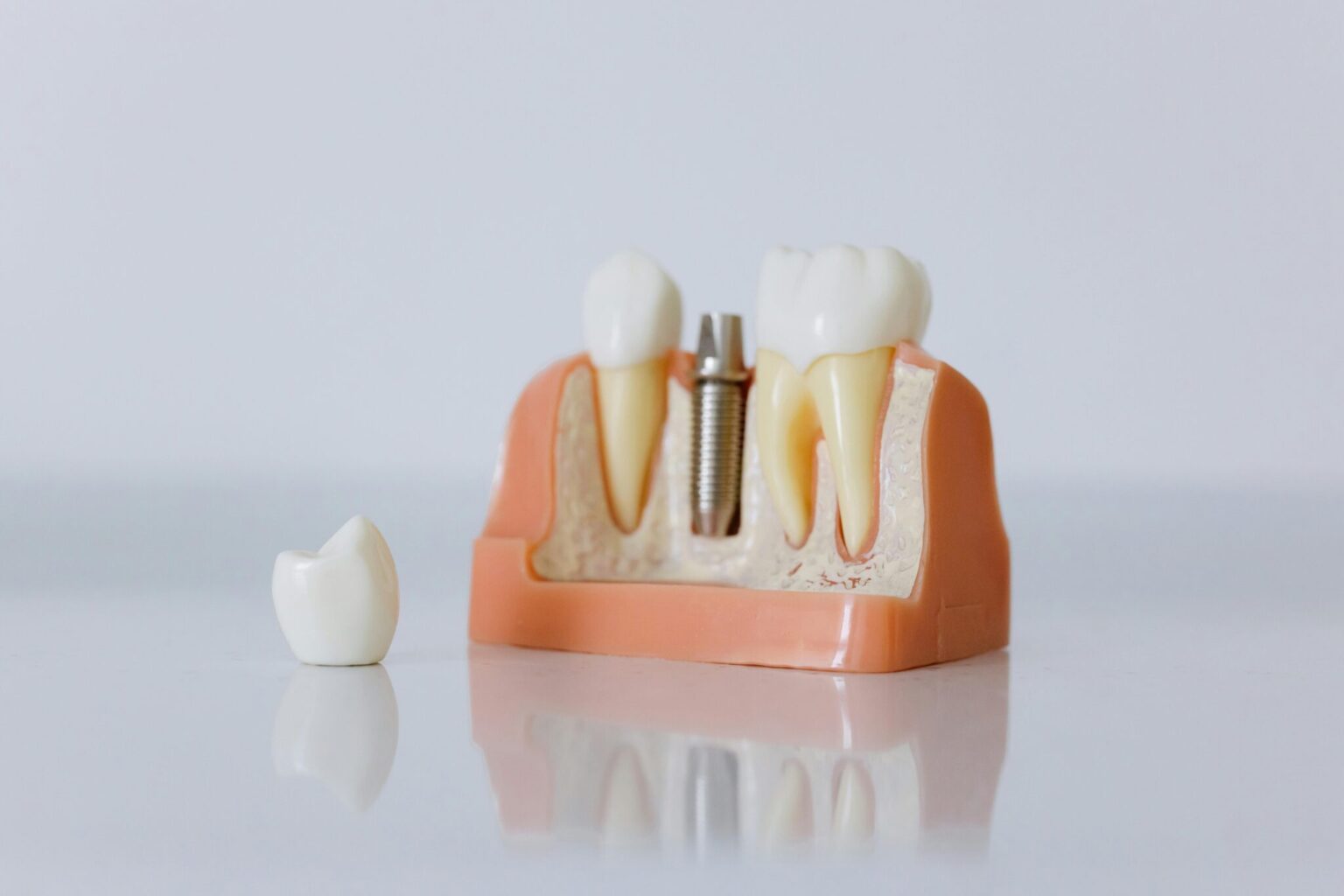
A well-made crown can change the feel of a smile in a single appointment, but the real value shows up later, when a patient stops chewing on one side, stops worrying about a cracked molar giving way at dinner, and starts using the tooth normally again. That is what dental crowns are really for. They do more than cover a tooth. They restore strength, protect weakened structure, and often let a tooth stay in service for many years longer than it otherwise could.
Crowns are one of the most common restorative treatments in dentistry, yet they are often misunderstood. Some people assume a crown is only cosmetic. Others think it is the same thing as a veneer, a cap placed over any tooth for any reason, or a last stop before extraction. In practice, the decision is more specific than that. A crown is chosen when a tooth needs full-coverage protection or major rebuilding, and the best result depends on the condition of the tooth, the bite, the material selected, and the quality of the preparation.
If you are weighing treatment for a damaged tooth, or simply want to understand what your dentist means when they recommend a crown, it helps to know what is happening beneath the surface.
What a dental crown actually does
A dental crown is a custom restoration that fits over a prepared tooth like a protective shell. Once bonded or cemented in place, it becomes the new outer surface of the tooth above the gumline. The crown takes over the shape, contour, and much of the function that the natural enamel used to provide.
That sounds simple, but the reason crowns matter is mechanical. Teeth are built to handle substantial biting forces, especially molars. When a tooth has lost too much structure from decay, a large old filling, trauma, or a root canal, its remaining walls are more likely to flex or fracture. A crown binds the tooth into a stronger form and spreads chewing forces more safely.
This is why crowns are often recommended after root canal treatment on back teeth. The root canal itself does not weaken the tooth in one dramatic moment. The problem is that teeth needing root canals are usually already heavily restored, cracked, or decayed. Once enough natural tooth is gone, the risk of fracture rises sharply. A crown helps manage that risk.
Crowns can also correct shape and function. A worn tooth may have lost enough height to affect the bite. A broken cusp may trap food and strain the gum. A malformed tooth may need a more ideal contour for comfort and appearance. In each case, the crown is doing restorative work, not just cosmetic work.
When dentists usually recommend crowns
There is no universal rule that every damaged tooth needs a crown, and good dentists do not place them casually. A conservative approach matters. If a tooth can be restored predictably with a filling or onlay, that may be the better option. A crown makes sense when the remaining tooth structure is no longer reliable enough on its own.
Common reasons include the following:
- A tooth has a large cavity or filling, and too little healthy enamel remains to support another direct filling.
- A cusp or portion of the tooth has fractured, especially on a molar or premolar under heavy bite pressure.
- A tooth has had root canal treatment and needs full coverage for long-term protection.
- Significant wear, erosion, or grinding has shortened or weakened the tooth.
- The tooth needs major reshaping for function or appearance, beyond what a veneer or bonding can reasonably accomplish.
In day-to-day practice, the borderline cases are often the most important. A patient may arrive with a molar that has a giant silver filling placed twenty years ago, with hairline cracks radiating through the remaining enamel. The tooth may not hurt much. It may still feel “fine.” But “fine” is not the same as stable. Those are the teeth that sometimes break on a seed, an ice cube, or a crust of bread. A crown placed before that failure Dental Crowns can be much simpler than dealing with a split tooth after the fact.
Crowns are not all the same
One of the most useful conversations in crown treatment is about material choice. Patients often hear names like porcelain, zirconia, ceramic, or PFM and assume the differences are minor. They are not. Material affects appearance, strength, wear on opposing teeth, thickness requirements, and cost.
All-ceramic crowns are prized for appearance, especially on front teeth. They can mimic the way natural enamel reflects light, which matters when a restoration is visible in conversation or photos. Skilled labs can produce beautiful results that blend remarkably well with neighboring teeth. The trade-off is that not every ceramic behaves the same way under heavy load, and case selection matters.
Zirconia has become extremely popular because it is strong and versatile. For back teeth, especially in patients who clench or grind, zirconia is often an excellent choice. Earlier generations of zirconia were sometimes criticized for being too opaque, though newer versions are more esthetic than they used to be. Even so, if the case is highly cosmetic and sits front and center in the smile, other ceramics may still offer a more lifelike match.
Porcelain-fused-to-metal crowns, often called PFMs, were a workhorse restoration for decades. They combine a metal substructure with porcelain on the outside. They can perform very well, particularly when designed properly, but they can show a dark line near the gum over time, especially if gums recede. That cosmetic limitation is one reason many practices now favor metal-free options in visible areas.
Gold and other full-metal crowns still have a place, though patients request them far less often than in the past. From a purely functional standpoint, a well-made gold crown can be outstanding. It is durable, kind to opposing teeth, and often requires less reduction of the natural tooth. If appearance is not a concern, especially on a back molar, it remains a very respectable choice.
The right material is rarely chosen on strength alone. A front tooth in a patient with a high smile line needs different planning than a second molar in a night grinder. The art of restorative dentistry lies in matching the material to the tooth, the bite, and the person.
The preparation matters as much as the crown
Patients naturally focus on what the crown is made of, but the success of the restoration begins earlier, with the tooth preparation. A crown only fits and functions well if the tooth is shaped correctly. The dentist must remove enough structure to make room for the material, preserve as much healthy tooth as possible, and create clean margins that can be accurately scanned or impressed.
That balance is not always easy. Too little reduction can leave the crown bulky or weak. Too much reduction needlessly sacrifices tooth structure and can increase sensitivity or compromise retention. There is also the matter of ferrule, a concept patients rarely hear about but one dentists think about constantly. In simple terms, ferrule means having enough sound tooth structure above the gumline for the crown to grip and brace. When that support is missing, a crowned tooth is at greater risk of failure, especially if it has had a root canal and post.
This is why some teeth need additional steps before crowning. Buildup material may be placed to replace missing internal structure. In deeper cases, crown lengthening or orthodontic extrusion may be discussed to expose more healthy tooth. None of that is glamorous, but it is often what separates a crown that lasts from one that loosens, leaks, or fractures early.
What the appointment process usually looks like
Traditional crown treatment usually takes two visits. At the first appointment, the tooth is numbed, shaped, and built up if necessary. The dentist then captures the shape of the prepared tooth and the surrounding bite, either with a digital scan or a conventional impression. A temporary crown is placed to protect the tooth while the final restoration is fabricated.
Temporary crowns deserve more respect than they get. They are not just placeholders. A good temporary protects sensitivity, maintains spacing, guides the gums, and gives the patient a preview of shape and comfort. When a temporary falls off repeatedly, feels rough, or traps food, it is often a sign that the final crown will need close attention too.
At the second appointment, the temporary is removed and the final crown is tried in. The dentist checks the fit, contact with neighboring teeth, bite, contour, and shade if appearance is important. Small adjustments are common. Once everything looks and feels right, the crown is bonded or cemented permanently.
Same-day crowns, made in-office with CAD/CAM systems, can streamline the process. For the right case, they are convenient and efficient. A patient can walk in with a damaged tooth and leave with a final crown a few hours later. Still, same-day is not automatically better. Some situations benefit from a high-end dental laboratory, particularly when aesthetics are demanding or the bite is complicated.
What a crown should feel like once it is done
A new crown should feel natural surprisingly quickly. At first, the tongue notices every contour change. That is normal. Most patients adapt within a few days. What should not happen is a lingering sense that the tooth hits too early, feels tall, pinches when flossing, or creates pain when chewing.
Bite issues are among the most common reasons patients struggle after crown placement. Teeth do not need to be dramatically “high” for a person to notice. Even subtle interference can make a tooth feel sore, especially to tapping or chewing. That kind of discomfort often improves quickly once the bite is adjusted. Patients are sometimes hesitant to call back because they think they should simply wait it out. A brief follow-up adjustment is often the right move.
Temperature sensitivity can occur too, particularly if the tooth was vital, meaning it still had a healthy nerve before treatment. Mild sensitivity for a short period is not unusual. Persistent pain, spontaneous throbbing, or worsening sensitivity deserves evaluation. Occasionally, a tooth that was already irritated before the crown was prepared declares itself afterward and ends up needing root canal treatment. That does not necessarily mean the crown was done poorly. It often means the pulp was already stressed and could not recover.
Dental crowns versus fillings, onlays, veneers, and implants
It helps to understand where crowns sit among other restorative options. A filling repairs a more limited defect within the tooth. It is conservative and appropriate when enough healthy tooth remains. An onlay or partial crown covers one or more cusps without covering the entire tooth. For the right case, that can preserve more natural tooth structure than a full crown while still reinforcing weak areas.
Veneers are different again. They are usually placed on front teeth and primarily change the front-facing appearance. They require less coverage and are not designed to solve the same structural problems as crowns.
Implants replace missing teeth altogether. A crown can sit on an implant, but that is a different kind of crown from one placed over a natural tooth. If a tooth can be saved predictably with a crown, most dentists prefer that over extraction and implant placement. Natural teeth have a biologic and functional value that is difficult to match. At the same time, not every tooth is savable, and there are cases where heroic treatment on a badly compromised tooth is less sensible than replacement.
The key question is not “Which treatment is best in general?” It is “Which treatment is best for this tooth, in this mouth, under these conditions?”
Cost, longevity, and what really affects value
Dental crowns are not inexpensive, and patients are right to ask what they are paying for. Fees vary by region, material, complexity, lab quality, and whether additional procedures such as buildup, root canal treatment, or a post are needed. In many areas, the fee for a single crown lands somewhere in the high hundreds to low thousands of dollars. That range can be frustratingly broad, but it reflects real differences in overhead, materials, and technique.
Longevity is equally variable. A well-made crown can last ten to fifteen years or longer, and many do. Some fail much sooner. The material matters, but not as much as people think. More often, crowns fail because decay develops at the margin, the underlying tooth fractures, the cement seal is compromised, or the patient has unaddressed grinding, clenching, or gum disease.
This is where value should be judged. The cheapest crown is not always the least expensive choice if it needs replacement in a few years. On the other hand, the most expensive option is not automatically the smartest. A durable, reasonably esthetic posterior crown placed with excellent preparation and bite control is often more valuable than a premium cosmetic material used where its strengths are unnecessary.
The role of grinding and bite force
If there is one factor patients routinely underestimate, it is bite force. People who clench or grind often say, sincerely, that they do not. Their partners may tell a different story, or the wear facets on their teeth tell it for them. A crown placed in a heavy grinder faces a different environment from one placed in a patient with a light, even bite.
That affects material selection, shape, and protective planning. Crowns that are too sharp or bulky can attract destructive forces. Thin porcelain edges are vulnerable in the wrong bite. A night guard may be strongly recommended, not as an upsell but as protection for the investment and the surrounding teeth.
I have seen beautifully crafted crowns fail because the mechanical environment was ignored. I have also seen modest-looking restorations hold up for many years because the bite was well managed and the patient wore their guard consistently. Dentistry is part biology, part engineering. Crowns sit exactly at that intersection.
Front teeth and cosmetic expectations
Crowns on front teeth carry a different emotional weight. Function still matters, but patients often care just as much about translucency, symmetry, and the way the restoration looks in daylight. These cases demand careful communication. “White” is not a single shade. Natural teeth contain gradations, texture, and slight irregularities that make them believable.
A person replacing an old darkened crown on a central incisor often hopes for perfection, but perfect can look artificial if the neighboring tooth has character. Good aesthetic dentistry often aims for harmony rather than obvious idealization. In some cases, matching one front crown to adjacent natural teeth is harder than making several teeth look consistent together.
Gum levels matter too. A crown can be beautifully made and still disappoint if the gingival margin is uneven or inflamed. Temporary restorations, tissue management, and accurate impressions become especially important in visible areas. So does patience. Rushing a front tooth crown because the patient wants a fast answer can backfire.
How to care for a crowned tooth
A crown cannot decay, but the tooth underneath absolutely can. Most recurrent decay starts at the margin where crown meets tooth, especially if plaque control is poor or sugary intake is frequent. Gum health matters just as much. Inflamed tissue around a crown can bleed, recede, and expose edges that were once hidden.
Good maintenance is simple, but it is not optional:
- Brush thoroughly along the gumline twice a day with a fluoride toothpaste.
- Floss daily, sliding the floss gently along the side of the crown rather than snapping it down.
- Use a night guard if your dentist has identified clenching or grinding.
- Avoid using crowned teeth to crack ice, open packaging, or bite unusually hard objects.
- Keep regular exams and cleanings so small margin issues can be caught early.
One practical detail patients appreciate is that flossing around a crown should feel snug, not impossible. If floss shreds repeatedly or cannot pass normally, the contact or margin may need attention. That is worth mentioning at a checkup rather than tolerating indefinitely.
Problems that can happen, even with good work
Even excellent crowns can encounter trouble. Cement can wash out over time. A crown can loosen. Porcelain can chip. The tooth under the crown can fracture, especially if the remaining root structure was already compromised. Gums can recede and reveal the edge of the restoration. These outcomes are not always signs of bad dentistry. They are part of the reality of restoring damaged teeth in a demanding oral environment.
Loose crowns should be evaluated promptly. Patients sometimes delay because the crown still “sort of fits.” The risk is that bacteria and movement can damage the underlying tooth, turning a recementation into a replacement or even a more serious problem. The same applies to a crown that smells, traps food, or causes a persistent bad taste.
Pain under a crown can be tricky to diagnose. It may come from the tooth itself, the gum, the bite, a crack below the margin, or even the tooth next door. Careful testing matters. Not every sore crowned tooth needs a root canal, and not every endodontically treated crowned tooth is pain-free forever.
When a crown may not be the right answer
There are teeth that simply do not have enough sound structure left for a predictable crown. If decay extends too far below the gum or into the root, if the tooth has a vertical root fracture, or if periodontal support is badly compromised, crowning the tooth may only postpone an inevitable extraction. Good dentistry includes knowing when not to proceed.
There are also cases where a crown is technically possible but not ideal because the biology or economics are unfavorable. A patient with rampant dry-mouth-related decay, poor home care, and several active cavities may not benefit from extensive crown work until the disease process is better controlled. A beautiful restoration in a high-risk environment can fail quickly.
That kind of judgment often matters more than the crown itself. Treatment planning is not about placing the most dentistry. It is about placing the right dentistry at the right time.
Choosing a dentist for crown treatment
Patients often ask how to judge quality before committing to treatment. Credentials matter, but so does process. A good crown appointment is not hurried. The dentist explains why the crown is needed, what alternatives exist, what material Dental Crowns is being considered, and what limitations apply. They assess the bite thoughtfully. They care about the temporary. They invite follow-up if the crown feels off.
You can learn a lot from the way a dentist discusses risk. If every tooth gets the same speech and every crown is presented as simple, flawless, and permanent, that is a red flag. Teeth are more nuanced than that. A trustworthy clinician is usually clear about trade-offs. They will tell you when a tooth is straightforward and when it is a bit of a rescue mission.
A stronger smile is usually a more stable one
The best crowns do not announce themselves. They let patients chew comfortably, smile without self-consciousness, and move through the day without noticing the tooth at all. That kind of invisibility is the mark of good restorative dentistry.
Dental Crowns are not glamorous, but they are often the treatment that keeps a useful tooth functioning for another decade or longer. For a cracked molar, a heavily filled premolar, or a front tooth that has lost both strength and form, that can make a real difference. The goal is not just to cover damage. It is to restore trust in the tooth, and by extension, confidence in the smile that depends on it.
Omni Dental Specialty
1690 E Gonzales Rd, Oxnard, CA 93036, United States
+1 805-410-9603
FAQ About Dental Crowns
How long do crowns last on teeth?
A dental crown often lasts about five to fifteen years, although some last longer. Material, the underlying tooth, oral hygiene and grinding habits affect longevity. Regular dental examinations help identify wear, decay or a loose crown; no lifespan is guaranteed.
How much does a tooth crown cost?
There is no single price for every crown. Material, laboratory work, the condition of the tooth and any additional treatment affect the fee. Ask for a written estimate and confirm your insurance benefits, exclusions and out-of-pocket costs before treatment.
What is the downside of crowns on teeth?
A conventional crown usually requires irreversible removal of some tooth structure. Possible problems include sensitivity, chipping, loosening and decay at the crown margin; some teeth later need root canal treatment. Discuss your tooth's condition, material choices and suitable alternatives with your dentist.